Anyone buying a new car or replacing worn mats soon faces a basic question: a textile car carpet or rubber mats? Both have their place. Which one suits you depends less on taste than on your everyday life: How often do you drive in rain and snow? Do you have children or a dog on board? And how much time do you want to spend cleaning?
In this guide we compare both options honestly and explain why modern 5D floor mats combine the advantages of both worlds.
What exactly is a car carpet?
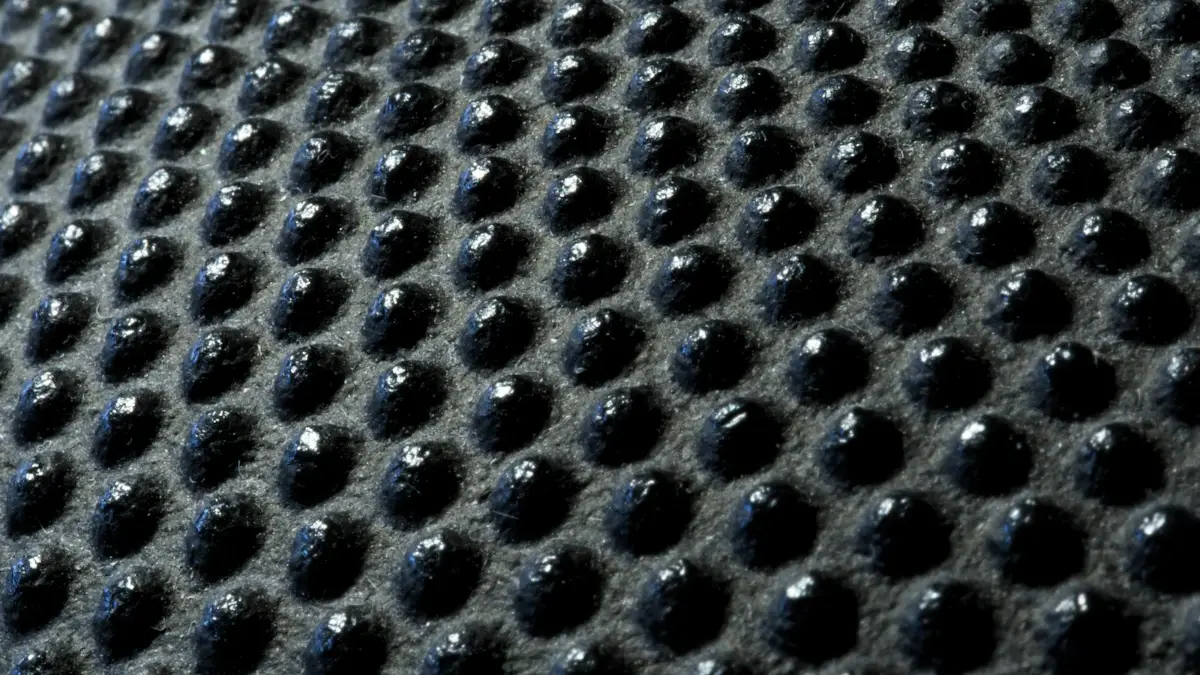
A car carpet usually means the classic velour or textile mat that many manufacturers supply from the factory. It feels homely, dampens noise and is comfortable underfoot. Beneath it lies the vehicle’s fitted floor carpet, which matters a lot at resale: stains, water marks or worn spots in the footwell noticeably reduce the price of a used car.
This is exactly where the textile car carpet is weak. It absorbs moisture instead of holding it back. Meltwater, road salt and dirt soak into the fibres and, in the worst case, reach the vehicle floor underneath. What hardly matters in summer quickly becomes a problem in a Swiss winter.
Rubber mats: tough, but not always elegant
Rubber mats are the opposite of textile. They are waterproof, easy to clean and withstand heavy use. If you often drive in the mountains, work on construction sites or regularly get in with wet ski boots, you will appreciate this toughness.
The drawbacks are just as well known. Simple rubber mats lie flat in the footwell, so water spills over the edge with every braking manoeuvre. Many models smell strongly at first, harden in the cold and look more like a work van than a comfortable car. And cheap universal mats rarely fit precisely.
Car carpet or rubber: a direct comparison
Here are the most important criteria at a glance:
- Protection from moisture: Textile absorbs water, rubber holds it back. A clear win for rubber and mats with raised edges.
- Cleaning: Rubber can be hosed down and dried. A car carpet needs a vacuum, a brush and often upholstery cleaner.
- Comfort and looks: Textile feels cosier. Basic rubber mats look functional but not premium.
- Noise reduction: Textile dampens slightly better, though multi-layer mats close this gap.
- Durability: Rubber and TPE last far longer than velour, which wears through quickly at the heel.
So the answer is rarely black and white. Those who value comfort don’t want to give up protection, and those looking for protection still don’t want a work-van feel inside.
The third option: 3D and 5D mats with raised edges
Custom-fit tray-style mats close exactly this gap. 3D floor mats are made from a tough, flexible material with a raised edge. They are shaped individually for each vehicle model and cover the entire footwell. Water, snow and sand stay inside the mat and never reach the vehicle floor.
5D mats go one step further. They combine a waterproof base with a padded leather-look surface. The result feels premium, looks like high-end factory equipment and still protects better than any classic car carpet. If you don’t want to choose between comfort and protection, this is the best compromise.
Which solution suits your daily routine?
Instead of asking which material is “best”, look at your typical journeys:
- City driving, little snow, leased car: A custom 3D mat reliably protects the floor carpet and preserves residual value when you return the car.
- Family car with children: Crumbs, drinks and mud land in the footwell constantly. Wipe-clean surfaces with high edges are worth their weight in gold here.
- Commuting over passes or winter sports: Meltwater and road salt call for a real tray. Ideally add a matching trunk mat for wet skis and boots.
- Prestige vehicle: If you drive clients or simply enjoy a refined interior, choose 5D mats with a leather look.
Read more about the special demands of the cold season in our article why Swiss winters put more strain on your floor mats.
Fit matters more than material
Textile, rubber or 5D: a mat that slips is not only annoying, it is dangerous. If the driver’s mat slides under the accelerator or brake, it can delay your reaction in an emergency. The Swiss Council for Accident Prevention (BFU) regularly points out that even small distractions at the wheel can have consequences.
So pay attention to three points:
- The mat is made for your model and year, not just “roughly the right size”.
- The driver’s mat uses the original fastening points or has a non-slip underside.
- The pedals stay free in every seating position.
If you choose universal mats to save money, trim them carefully. Our universal floor mats are a good solution for second cars or older vehicles, but for your everyday car we recommend a model-specific version.
Conclusion: replace or protect your car carpet?
You don’t have to banish the textile car carpet. It is comfortable and cosy, but it needs protection, especially in Switzerland with wet winters, road salt and mountain roads. The smartest solution is usually a custom-fit mat with a raised edge that keeps the vehicle floor underneath clean and dry.
Whether tough 3D mats or elegant 5D mats: at myfussmatten.ch you will find car floor mats for many makes and models. If you want to protect the boot at the same time, you save with a floor and trunk mat set. If you have questions about fit, you can reach us at any time, including via WhatsApp.